

STORIES & NEWS
Three Vancouver Mural Festival Walking Tours
You miss going to museums and art galleries. You enjoy diverse and charismatic streets. You like walking and discover nooks around the City…although sometimes you just do it for the gram. Then, this post is for you.
Walking over the Inlet- Thank you SeaBus!
Keep reading to find out how easy and seamless the trip can be from Waterfront in (Vancouver Downtown) to Lonsdale Quay (North Vancouver).
Know your transit...
Public transit is the best option to complement a truly walkable community. MetroVancouver is one of the well serviced regions. This is probably the most comfortable way to travel longer distances, especially with young kids. You might be surprised how much they love it and how well they behave.
Walkable New Westminster - A short walking tour of the Agnes Street Greenway
Always excited about new infrastructure advancements promoting walkability, we could not wait to experience it ourselves and virtually take you on a tour. As a part of the engagement process, the City of New Westminster has been installing an interim greenway using temporary materials along a portion of the designated route.

Moving in a Livable Region - All Candidates Forum
On October 15, Moving in a Livable Region held an online forum with three candidates seeking to be elected as MLAs in the Metro Vancouver area. George Affleck (BC Liberals), Bowinn Ma (BC NDP) and Harrison Johnston (BC Green Party) participated in a transit nerd, polite and positive debate about mobility and land use.

Walking for Health and Fitness: 3 Reason Why
Year-round walking is a great way to get your daily dose of physical activity. By making a conscious effort to walk every day, it can be easily incorporated into your daily routine, using 30-minutes to collect your thoughts, connect with friends or get in your daily podcast.

Urban inequities in the Era of COVID 19
The history of walking, we can imagine, dates back to the history of man. I don’t know anyone who questions why we walk or how we walk, it’s simply ingrained in the human experience. However, the history of walking itself has not looked the same for all, often highlighting social, health, and economic inequities of different individual walking and urban experiences.

Reallocating space for walking: How communities around BC are stepping up to make a change.
Municipalities around BC are taking action to respond to the COVID-19 pandemic introducing new measures — and in some cases changing local laws and regulations — to support physical distancing for residents in public spaces and retail areas.


The environmental benefits of walking : 3 reasons to walk more
Increasing the number of local trips we take on foot rather than in a vehicle — and making an effort to stay local and reduce our carbon footprint — can result in long term benefits for our local and global communities.

Inclusive & Accessible: 10 Great BC Walks
In British Columbia, we have the opportunity to walk in various regions and across a variety of beautiful landscapes. These landscapes define many of the communities we live in. Fortunately in BC, many communities have put infrastructure and projects in place to encourage walking and make it a safe and accessible option for people of all ages and abilities. This comes in the form of well connected and maintained sidewalks and walking paths and pedestrian plazas.

Urban vs. Rural Walking - A Divide?
Walking throughout BC can look very different, and although distance, infrastructure, connectivity and landscape are important, taking into account the regional and cultural context of our urban and rural communities should help guide how we support walking, as opposed to a single, common set of standards.

Seniors' Mobility: Getting Around During a Pandemic
Mobility for senior citizens is important - for shopping, medical appointments, social occasions and continued participation in community life. In the short-term, having older adults drive themselves to avoid COVID risk makes sense. In the longer-term, the liveability and vibrancy of our communities depends on a public transit system to reduce traffic congestion and provide a healthy alternative to driving.
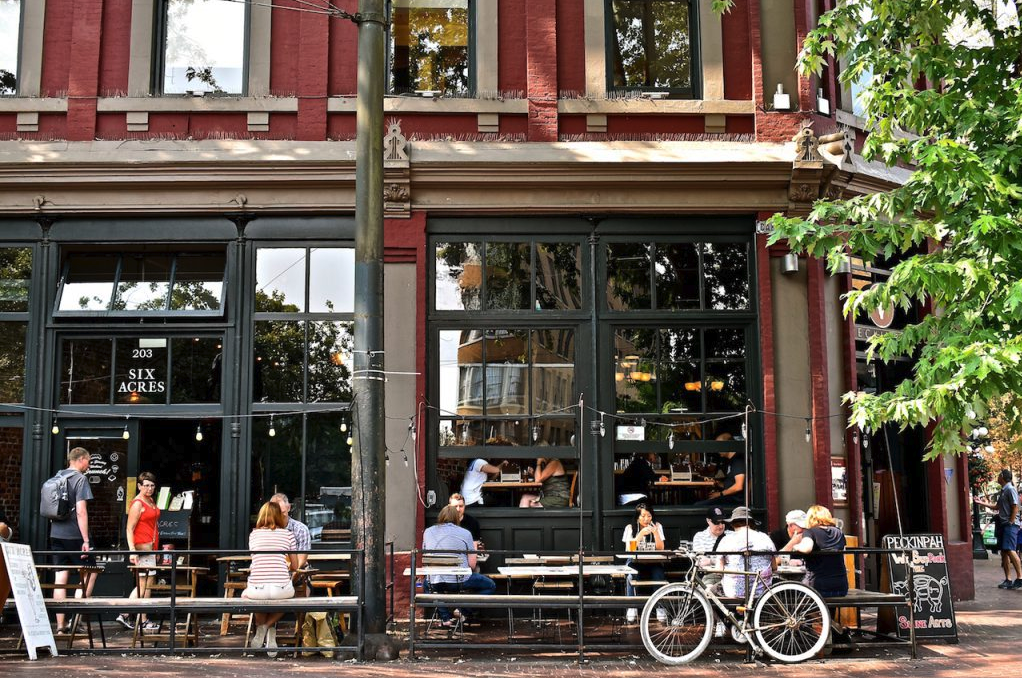
Vancouver’s Patiotown and Murals of Gratitude Bring New Life to Historic Gastown
Back in 2017, Vancouver began working on Gastown Complete Streets, a transportation plan for the city's historic Gastown neighbourhood, which included the concept of Vancouver’s first car-light area, transit and cycling improvements, celebrating the Musqueam, Squamish, and Tsleil-Waututh Nations on whose territory it was founded, and acknowledging the area’s complex history in relation to indigenous people. Then COVID-19 arrived.

Walking, Educating, Staying Safe - Community Highlight
Communities around BC are actively taking action to make streets safer for pedestrians -- this includes pedestrian plazas, car-free days and slower streets.

5 ways almost any community can make walking safer
Making our communities safer for pedestrians benefits all modes of transportation, and contributes to the fundamental principles of Vision Zero - to promote safe mobility and to eliminate harm to all road users.

Walking for Healthy Living, Healthy Communities
Walking can contribute to the health of our local economies by helping us stay and shop locally, and build relationships with local businesses. This is particularly important during phase 3 of the BC Restart Plan, when many local businesses need our support, including local grocers, cafes, restaurants, galleries, boutiques, and breweries.

Walking for Social Connection and Mental Well-being
The COVID19 pandemic has led British Columbians to rethink the way we move around our communities and how we inhabit the space within them. With the rise of this ‘new normal’ and Dr.Bonnie Henry’s plea to ‘please go outside’, many municipalities are changing how space is allocated to allow for more accessible opportunities for active transportation -- walking included.

Seniors are on the Move in Communities in Metro Vancouver
The pandemic has presented transportation challenges to older adults with underlying health conditions. Now that physicians are opening their offices for in-person appointments and hospitals are recommencing routine procedures, seniors’ transportation remains an unresolved issue.